Why Stinkbugs Invade Homes and Buildings
To prevent stinkbug invasions, local service providers can identify entry points and implement effective control methods to keep these pests out of homes and buildings.
Many property owners in the area notice an increase in stinkbugs during certain times of the year, especially as they seek shelter from changing weather conditions. These insects are drawn to warm, protected spaces inside homes and buildings, often entering through small cracks and gaps around windows, doors, and vents. Understanding why stinkbugs invade these spaces can help homeowners take practical steps to prevent infestations, and local service providers are equipped to assist with effective control solutions tailored to the specific needs of each property.
For those concerned about recurring invasions, connecting with experienced local contractors who specialize in stinkbug invasion control can be a valuable next step. These professionals can identify entry points, recommend targeted sealing methods, and implement control measures to reduce the likelihood of future invasions. Exploring this topic further can lead to practical insights and solutions that keep homes comfortable and free from unwelcome guests.
- Stinkbug Prevention Services - when homeowners notice an increase of stinkbugs entering their property, local contractors can implement sealing and exclusion techniques to block entry points.
- Stinkbug Removal Services - if stinkbugs have already invaded indoor spaces, service providers use targeted methods to safely remove and reduce their presence.
- Stinkbug Barrier Installation - during peak invasion seasons, local pros can set up physical barriers around buildings to prevent stinkbugs from gaining access.
- Stinkbug Habitat Control - when outdoor conditions attract stinkbugs to congregate near structures, experts can identify and treat attractant sites to discourage infestation.
- Stinkbug Entry Point Repair - in cases where existing damage or gaps allow stinkbugs inside, service providers focus on repairing and sealing these vulnerabilities effectively.
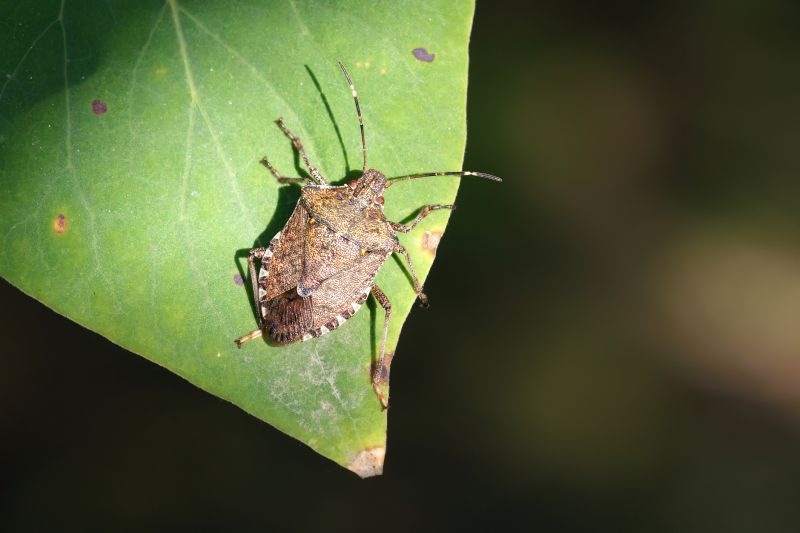
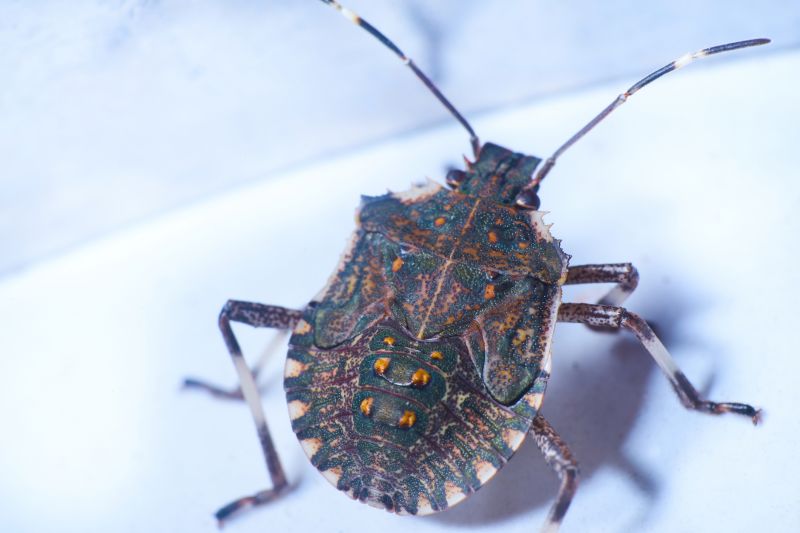
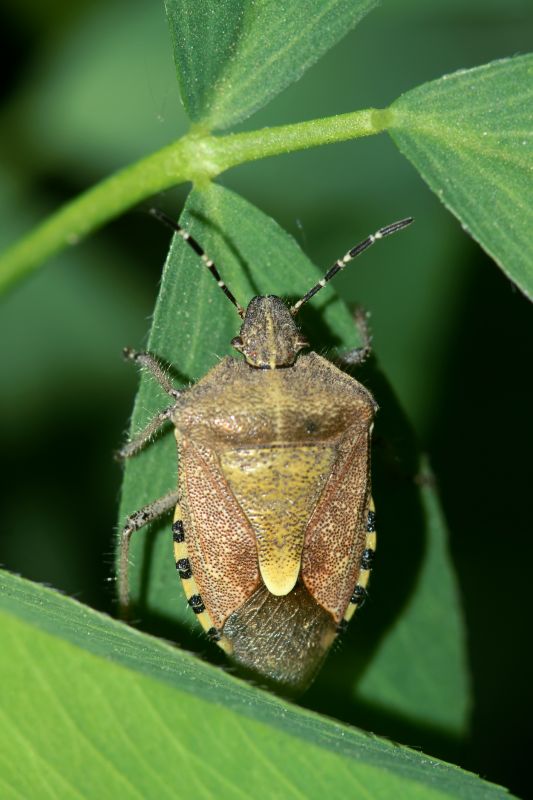
Understanding why stinkbugs invade homes and buildings is a common concern among homeowners, especially during certain times of the year. Most searches focus on the reasons these insects enter indoor spaces, often seeking shelter from the outdoors or to escape harsh weather conditions. People are typically interested in learning about the natural behaviors of stinkbugs and what attracts them to residential or commercial properties. This knowledge helps homeowners identify the root causes of infestations and develop effective strategies to prevent or manage these unwelcome visitors.
The problems associated with stinkbug invasions often relate to nuisance issues rather than direct property damage. While stinkbugs are not known to cause structural harm, their presence can become a significant annoyance, especially when they gather in large numbers. Many property owners are also concerned about the potential for these insects to stain walls, curtains, or furniture with their secretions, which emit a strong odor when disturbed or crushed. Planning for stinkbug control involves understanding their habits and identifying entry points, making it easier for local contractors to implement targeted solutions that keep these pests outside where they belong.
Properties that tend to attract stinkbugs typically include homes with easy access points like gaps around windows, doors, vents, and utility openings. Buildings located near fields, gardens, or wooded areas are more prone to invasions because they provide natural habitats for these insects. Larger or older structures with cracks and crevices also offer convenient entry routes. For property owners facing recurring problems, working with local service providers who specialize in stinkbug management can help identify vulnerabilities and recommend sealing or exclusion methods to reduce future invasions.
For homeowners dealing with ongoing stinkbug issues, connecting with local contractors experienced in pest entry prevention and removal can make a significant difference. These professionals can assess the property, identify the specific causes of the invasions, and suggest appropriate measures to reduce the likelihood of future visits. While stinkbug control is primarily about preventing nuisance and odor issues, establishing a proactive plan with the help of local experts can provide peace of mind and keep indoor spaces free from these unwelcome insects.
Home sealing projects - local contractors often handle sealing gaps and cracks that attract stinkbugs seeking entry into buildings, helping prevent invasions.
Insect proofing services - these projects involve installing screens and barriers similar to those used in stinkbug control to block pests from entering structures.
Building inspection services - professionals assess entry points and structural vulnerabilities that may facilitate stinkbug invasions, providing targeted solutions.
Pest exclusion services - experts use similar planning and tools to create physical barriers that keep stinkbugs and other pests out of homes and buildings.
Structural repair projects - repairing damaged siding or foundations can reduce entry points for stinkbugs, requiring skills common to other pest prevention work.
Entry point identification services - these services focus on locating and sealing pest entry sites, a key step in controlling stinkbug invasions.
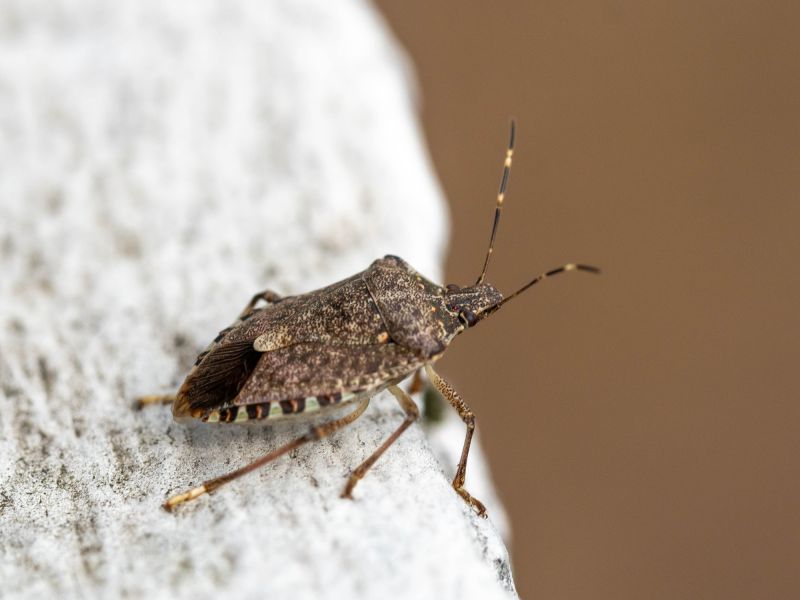
When comparing service providers for stinkbug invasion control, it is important to consider their experience with similar projects. Homeowners should inquire about the contractors’ familiarity with addressing stinkbug issues in residential or commercial settings, as well as their understanding of common entry points and effective exclusion methods. An experienced local contractor will typically have encountered a variety of situations and can offer insights into the most effective strategies for preventing future invasions, ensuring that the homeowner’s specific concerns are adequately addressed.
Clear written expectations are essential when evaluating potential service providers. Homeowners should seek detailed descriptions of the scope of work, including inspection procedures, treatment methods, and any follow-up services. Having a well-defined plan helps prevent misunderstandings and ensures that both parties are aligned on what will be done. Reputable local contractors often provide written estimates or service agreements that outline these details, giving homeowners confidence in the process and clarity about what to expect from the invasion control services.
Good communication and reputable references are key factors when choosing a local contractor for stinkbug control. Homeowners are encouraged to ask for references or reviews from previous clients who have had similar issues addressed. This feedback can provide insights into the contractor’s professionalism, responsiveness, and effectiveness. Additionally, clear and prompt communication during the initial inquiry process can help homeowners gauge how well the service provider listens to questions and explains options, which is important for making an informed decision about who will handle the invasion control work.
Property owners often search for why stinkbugs invade homes and buildings when they are planning practical projects around their homes and businesses. Local pros provide Stinkbug Invasion Control services for everyday jobs and straightforward project options.
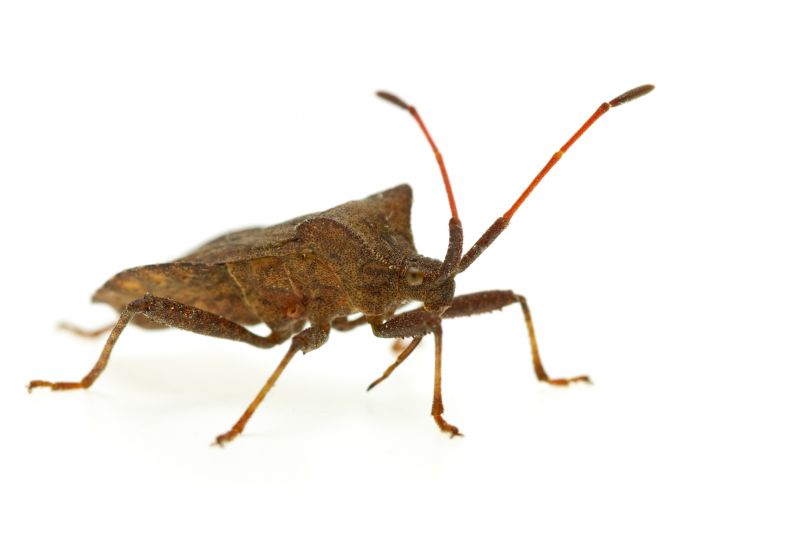
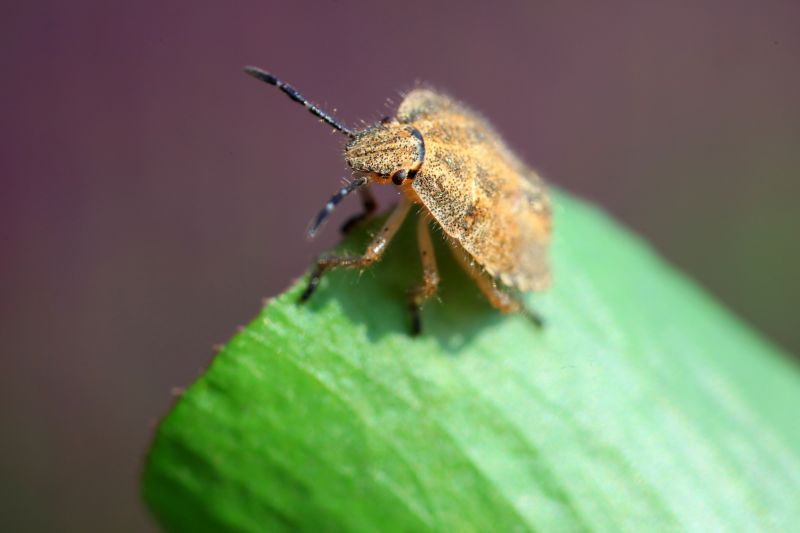
Understanding why stinkbugs invade homes and buildings can help property owners take proactive steps to prevent unwanted pests from entering living spaces. These insects are often drawn inside as temperatures drop or during seasonal changes, seeking warmth and shelter. Common entry points include gaps around windows, doors, vents, and cracks in the foundation or walls. Small openings and unsealed areas provide easy access for stinkbugs, making it important for property owners to identify and seal potential entry points to reduce invasions.
When stinkbugs become a nuisance inside a home or building, many property owners look for effective control solutions. Local contractors specializing in pest management can assess the situation, identify entry points, and implement targeted removal or exclusion methods. Professional services can help ensure that infestations are addressed safely and thoroughly, minimizing the chances of recurring invasions. Connecting with experienced service providers can provide peace of mind and help maintain a pest-free environment during seasonal changes.
Why do stinkbugs invade homes and buildings? Stinkbugs are attracted to warmth and shelter, especially as they seek places to overwinter during colder months. They often enter through small cracks and gaps in the building’s exterior. Local contractors can identify entry points and recommend effective sealing methods to prevent invasions.
What attracts stinkbugs to homes and buildings? They are drawn to light sources and the scent of certain plants nearby. Once inside, they tend to gather in wall voids, attics, or basements. Professionals can help reduce attractants and implement barriers to keep stinkbugs out.
How can local contractors help control stinkbug invasions? They can perform thorough inspections to locate entry points and apply exclusion techniques. Additionally, they may recommend or install physical barriers and seal gaps to block future invasions.
Are stinkbugs a sign of poor home maintenance? Not necessarily; stinkbug invasions are common during certain seasons and often relate to environmental factors. However, a professional can advise on sealing vulnerabilities that may facilitate entry.
When should I consider professional stinkbug invasion control services? If stinkbugs become a persistent problem or enter in large numbers, local service providers can assess the situation and implement targeted exclusion strategies to reduce invasions effectively.
Identify entry points - property owners can work with local contractors to inspect and seal gaps around windows, doors, and vents that attract stinkbugs.
Reduce attractants - removing outdoor lights or using yellow bulbs can make the property less appealing to stinkbugs, with guidance from local pros.
Implement physical barriers - installing screens or door sweeps can prevent stinkbugs from entering, supported by local service providers.
Schedule regular inspections - routine checks for cracks or openings help maintain defenses against stinkbug invasions, with assistance from local experts.
If you are thinking about why stinkbugs invade homes and buildings for a property, this guide is meant to help you understand this topic, the typical project types, and how different options might fit your plans.
When you are ready, you can use the quote form on this page to share a few details about your project. From there, local pros can review the basics and follow up with options that match what you have in mind.