Seasonal Pest Problems and How to Prevent Them
To prevent seasonal pest problems and how to prevent them, local contractors offer effective treatments and advice tailored to each season's pest challenges.
Understanding seasonal pest problems and how to prevent them is essential for property owners looking to maintain a comfortable and pest-free environment throughout the year. As temperatures change and seasons shift, different pests become more active, often seeking shelter, food, and water sources within homes and properties. Whether it’s insects, rodents, or other common nuisances, being prepared can help minimize infestations and protect your property’s integrity. Local contractors specializing in seasonal pest control offer targeted solutions tailored to the specific challenges each season presents, making it easier to stay ahead of potential issues.
Exploring effective prevention strategies can save property owners time, money, and stress in the long run. Seasonal pest problems tend to spike at certain times of the year, making early intervention crucial. Local service providers have the experience and tools to implement preventive measures that keep pests from becoming a problem in the first place. By learning about common seasonal pest behaviors and working with nearby experts, property owners can better safeguard their homes and outdoor spaces, ensuring they remain comfortable and pest-free no matter the time of year.
- local contractors offer seasonal pest control solutions to address common pest issues during specific times of the year and help prevent future infestations. - when homes experience increased pest activity due to seasonal changes, local service providers can implement targeted treatments to reduce pest populations. - for those noticing signs of pests appearing with the seasons, local pros provide preventative measures to protect homes and reduce recurring problems. - during peak pest seasons, local contractors can help establish barriers and treatments to keep pests from entering or establishing nests around the property. - as pests become more active in certain seasons, local service providers can advise on and apply preventative strategies to minimize seasonal pest problems.
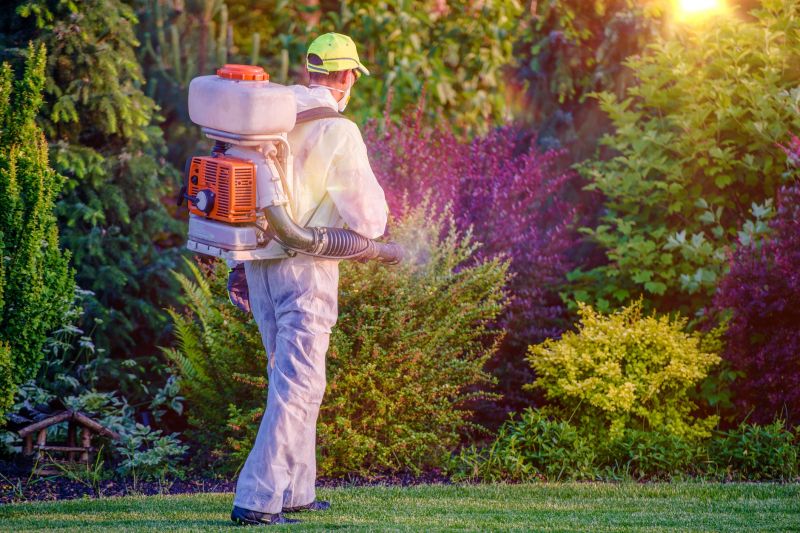
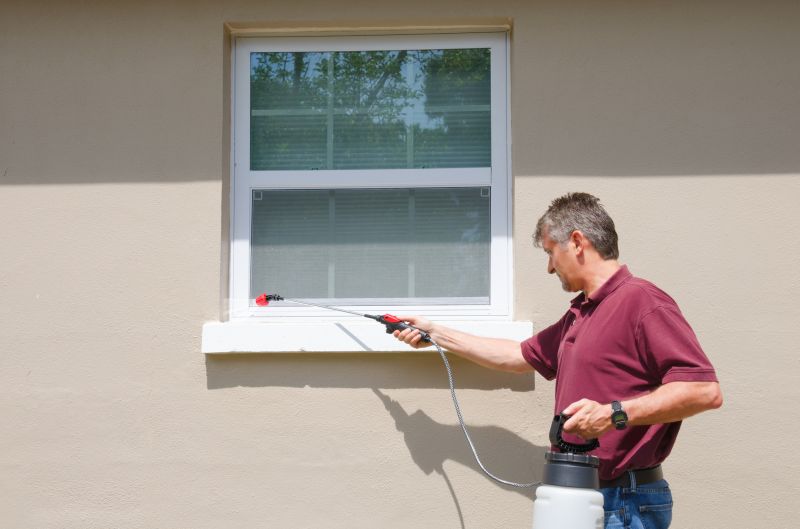
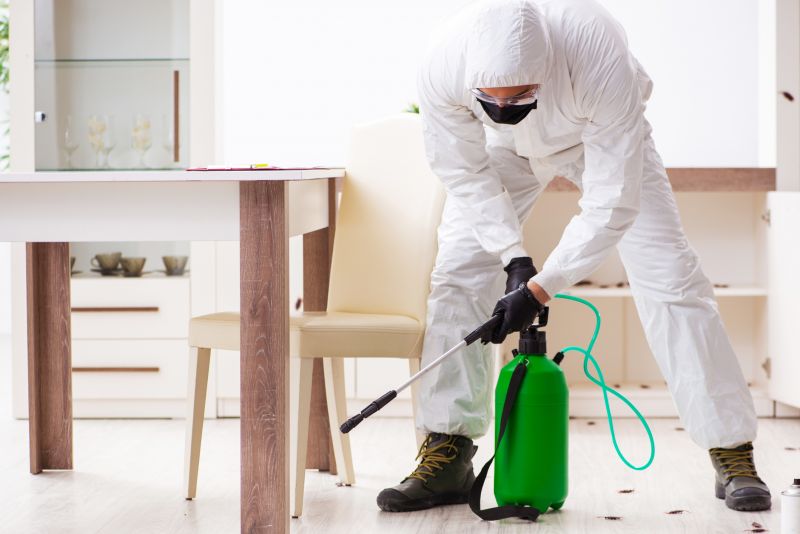
Seasonal pest problems and how to prevent them are common concerns for many homeowners as different pests tend to become active during specific times of the year. For example, in spring and summer, homeowners often encounter an increase in ants, mosquitoes, and flies, which thrive in warmer weather and can quickly become a nuisance. During fall, rodents such as mice and rats may seek shelter indoors to escape dropping temperatures, leading to infestations inside homes or garages. Understanding these seasonal patterns helps homeowners anticipate potential issues and take proactive steps to minimize pest activity before it becomes a larger problem.
The types of problems related to seasonal pest issues often involve property damage, health risks, and general discomfort. For instance, certain pests like termites may become more active during particular seasons, risking structural damage if not addressed early. Mosquitoes not only cause itchy bites but can also transmit illnesses, making prevention especially important during peak mosquito months. Planning for seasonal pest control involves identifying vulnerable areas around the property, such as entry points, standing water, or cluttered spaces, and implementing strategies to reduce pest habitats. Local service providers can assist in developing tailored pest prevention plans that focus on these seasonal risks.
Properties affected by seasonal pest problems vary widely but typically include residential homes, multi-family buildings, and even commercial properties. Homes with yards or gardens may be more prone to certain pests like ants or ticks, especially if landscaping creates ideal nesting sites. Attics, basements, and garages often become targets for rodents seeking warmth during colder months. Properties that are older or have gaps in weatherproofing are more vulnerable to pest intrusions during seasonal shifts. Engaging with local pest control professionals can help property owners identify weak points and implement effective prevention measures suited to the specific needs of their property type.
Understanding how seasonal pest problems relate to property maintenance and prevention plans is essential for homeowners looking to protect their investments. Local contractors specializing in seasonal pest control can evaluate properties, identify potential entry points, and recommend targeted treatments or exclusion methods. These experts can also advise on habitat modification, such as removing standing water or debris, to reduce the likelihood of pest invasions. Connecting with experienced service providers ensures that prevention strategies are practical and effective, helping homeowners stay ahead of seasonal pest challenges and maintain a pest-free environment throughout the year.
Gutter Cleaning and Maintenance - Professionals who handle gutter cleaning can help prevent pest nesting by removing debris that attracts insects and rodents during seasonal changes.
Landscape and Yard Cleanup - Yard cleanup services assist in reducing pest habitats by clearing brush, leaves, and standing water that can become breeding grounds for pests.
Sealing and Home Insulation - Local contractors offering sealing and insulation services can help block entry points, reducing seasonal pest invasions caused by gaps and cracks.
Tree and Shrub Trimming - Tree trimming specialists can reduce pest access points by maintaining proper distance between branches and the home, especially during seasonal shifts.
Moisture Control Services - Service providers focusing on moisture management can help prevent pests that thrive in damp areas, which are common during certain seasons.
Rodent Proofing - Experts in rodent proofing can assist in preventing seasonal pest problems by sealing entry points and reducing attractants around the property.
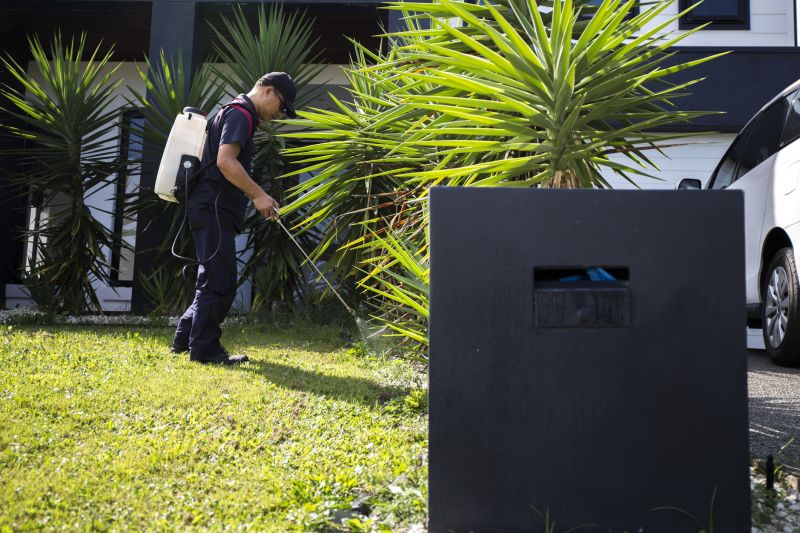
When comparing local contractors for seasonal pest problems and how to prevent them, it’s important to consider their experience with similar projects. Homeowners should look for service providers who have a history of successfully managing pest issues during specific seasons, as this indicates familiarity with the pests common in the area and effective prevention strategies. Asking for references or examples of past work can provide insight into their expertise and the results they have achieved for other homeowners facing similar seasonal challenges.
Clear, written expectations are essential when evaluating potential service providers. Homeowners should seek detailed descriptions of the scope of work, including what treatments or prevention methods will be used, the frequency of services, and any follow-up procedures. Having this information in writing helps ensure that both parties understand what will be done and can prevent misunderstandings. It also allows homeowners to compare different providers based on the comprehensiveness and transparency of their plans for seasonal pest control.
Good communication is a key factor when choosing local contractors for seasonal pest problems and prevention. Service providers who are responsive, willing to answer questions, and provide clear explanations about their methods can help homeowners feel more confident in their choice. Reputable local pros often prioritize ongoing communication to keep homeowners informed about treatment plans, seasonal pest activity, and prevention tips. This ongoing dialogue can make managing seasonal pest issues more straightforward and ensure that homeowners receive consistent, reliable support tailored to their specific needs.
Property owners often search for seasonal pest problems and how to prevent them when they are planning practical projects around their homes and businesses. Local pros provide Seasonal Pest Control services for everyday jobs and straightforward project options.
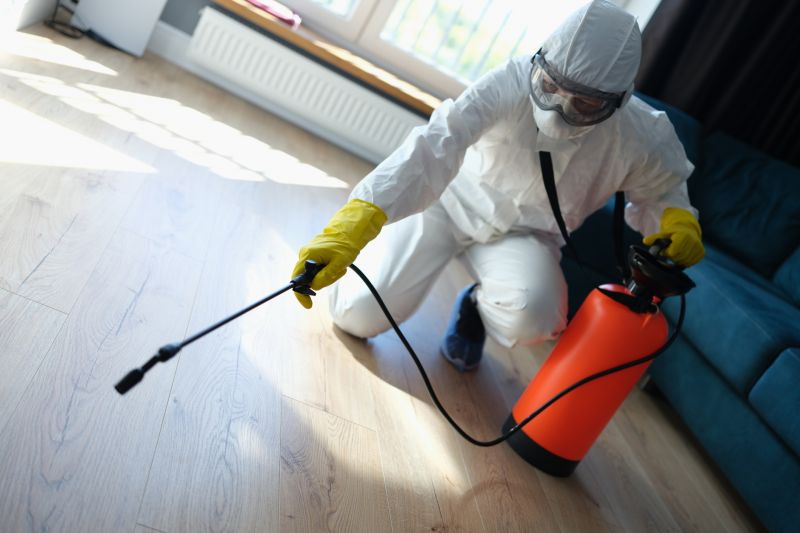
Seasonal pest problems and how to prevent them are common concerns for property owners throughout the year. As temperatures shift and seasons change, different pests tend to become more active, often seeking shelter, food, and water around homes and properties. For example, warmer months may bring an increase in ants, mosquitoes, and flies, while cooler seasons can lead to rodents seeking warmth indoors. Many property owners search for simple, effective ways to protect their homes from these seasonal invaders and maintain a comfortable living environment.
Local contractors who specialize in seasonal pest control can provide targeted solutions to address these specific challenges. They understand the behaviors and patterns of pests during different times of the year and can recommend preventative measures to reduce their presence. Engaging with experienced service providers helps property owners implement effective strategies, such as sealing entry points or applying treatments, to keep pests at bay and ensure a pest-free season.
What are common seasonal pest problems and how can they be prevented? Common seasonal pest problems include ants, mosquitoes, and termites, which can be managed through regular inspections and targeted treatments by local contractors specializing in seasonal pest control services.
How do local service providers help with seasonal pest prevention? Local professionals assess your property for vulnerabilities, apply preventive treatments, and offer advice on reducing attractants to help prevent seasonal pest issues before they become serious.
When is the best time to seek seasonal pest control services? The ideal time to arrange seasonal pest control is before pests become active or during their early activity periods, with local contractors providing proactive solutions tailored to each season.
What steps can homeowners take to complement professional seasonal pest control efforts? Homeowners can reduce clutter, seal entry points, and eliminate standing water to support the work of local service providers and enhance seasonal pest prevention efforts.
Are there specific seasonal pest problems that require specialized treatments? Yes, certain pests like wasps in summer or rodents in fall may need specialized treatments from local contractors experienced in seasonal pest control to effectively address these issues.
Seal entry points - identifying and sealing gaps around windows, doors, and vents can help prevent seasonal pest problems and how to prevent them from entering the property.
Remove attractants - clearing debris, standing water, and food sources around the home creates a less inviting environment for pests during seasonal changes.
Maintain landscaping - trimming shrubs, trees, and grass away from the house reduces pest pathways and helps local contractors implement effective seasonal pest control strategies.
Schedule regular inspections - having local service providers perform seasonal pest inspections can catch issues early and ensure preventive measures are in place.
If you are thinking about seasonal pest problems and how to prevent them for a property, this guide is meant to help you understand this topic, the typical project types, and how different options might fit your plans.
When you are ready, you can use the quote form on this page to share a few details about your project. From there, local pros can review the basics and follow up with options that match what you have in mind.