How Spiders Affect Commercial Properties
Commercial spider control services help protect properties by reducing spider infestations, preventing damage, and maintaining a safe, pest-free environment with assistance from experienced local contractors.
Understanding how spiders affect commercial properties is an important consideration for many business owners and property managers. Spiders can sometimes be more than just a nuisance; their presence may indicate underlying issues with pest activity or attract concerns from clients and employees. Exploring this topic helps property owners identify practical ways to maintain a clean and professional environment, while also protecting the integrity of their buildings. Local contractors who specialize in commercial spider control can provide tailored solutions to address these concerns effectively, ensuring that properties remain safe and inviting.
For those managing commercial spaces, knowing how spiders impact the overall appearance and safety of a property is essential. Unchecked spider activity can lead to increased pest problems or damage to structures, which may affect operations or reputation. Learning about the role of professional services in controlling spider populations can help property owners make informed decisions about maintaining their spaces. Local service providers are equipped to handle these issues efficiently, offering expertise that supports the ongoing health and presentation of commercial properties.
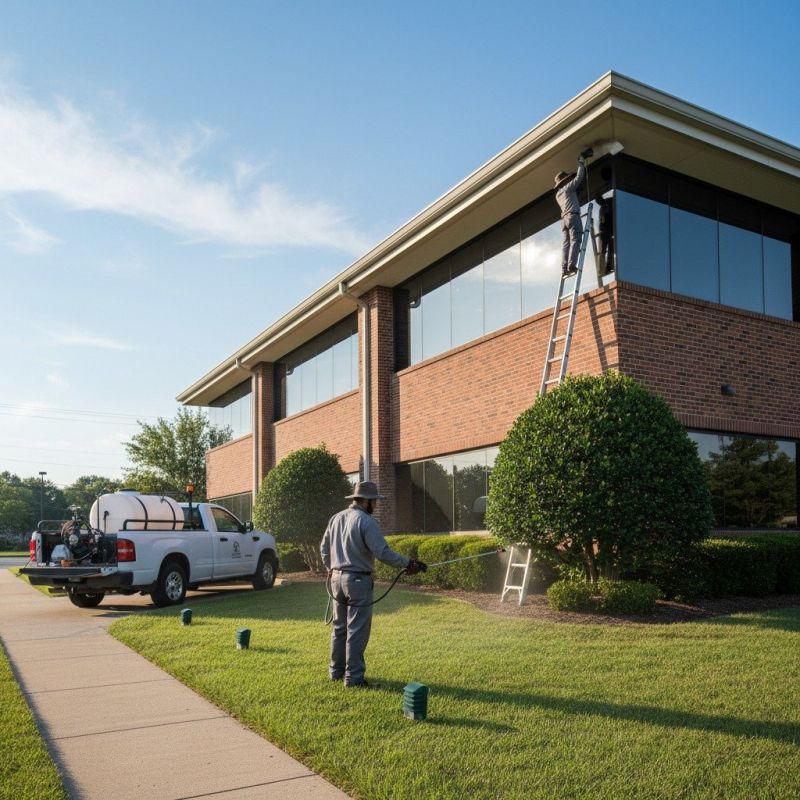
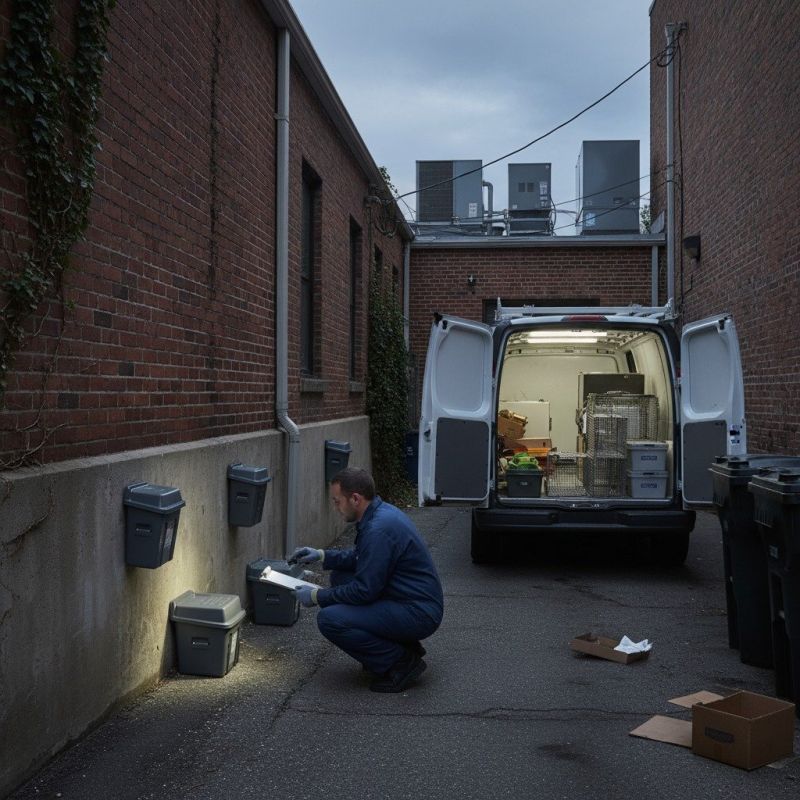
- Commercial property inspection - when business owners notice an increase in spider activity or signs of infestation, local contractors assess the extent and identify entry points.
- Spider exclusion services - if spiders are entering through gaps or cracks, local service providers implement barriers to prevent future access.
- Sanitation and cleanup - after a spider infestation, local pros clean and remove webs to reduce attractants and discourage re-infestation.
- Structural pest management - in cases where spiders threaten to damage property or pose health concerns, professionals develop integrated control plans.
- Preventive pest control treatments - to maintain a spider-free environment, local contractors apply ongoing treatments tailored to commercial settings.
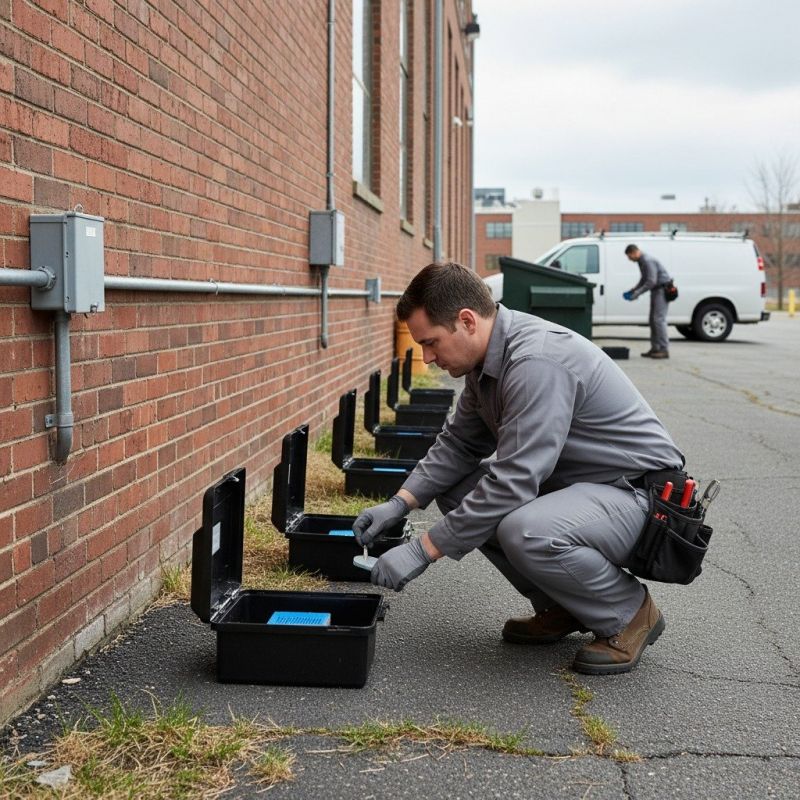
When people search for how spiders affect commercial properties, they often want to understand the potential risks and impacts these arachnids can have on their business environment. Spiders are generally seen as minor nuisances, but in certain cases, their presence can lead to larger concerns such as infestations of other pests, contamination of food or products, or damage to the property’s aesthetic appeal. Business owners and property managers may also be interested in how spider activity could influence health and safety standards, especially if the spiders are of a species that pose a risk of bites or allergic reactions. This search typically reflects a desire to prevent or address issues that could disrupt operations or create negative impressions for customers, employees, or visitors.
The problems associated with spiders on commercial properties often relate to pest management plans, property maintenance, and health considerations. For example, a buildup of spider webs can give an unkempt appearance that impacts customer perceptions, especially in retail stores, restaurants, or office buildings. Additionally, certain types of spiders can attract other pests or serve as indicators of broader pest problems, prompting property owners to consider integrated pest management strategies. Plans to control or eliminate spiders are usually part of larger efforts to maintain a clean, safe, and welcoming environment. When addressing these issues, local service providers can help develop tailored solutions to reduce spider populations and prevent future infestations.
Commercial properties that typically come up in discussions about how spiders affect them include warehouses, retail outlets, restaurants, office complexes, and industrial facilities. These locations often have structural features such as high ceilings, storage areas, and exterior landscaping that provide ideal hiding spots for spiders. Buildings with cracks, gaps, or cluttered spaces are especially vulnerable to spider activity, making regular inspections and preventive treatments important. In many cases, the goal is to minimize spider presence without disrupting daily operations, which is where local contractors specializing in spider control can be a valuable resource. They can assess the property’s unique needs and implement targeted strategies to keep spiders and other pests at bay.
Understanding how spiders affect commercial properties helps business owners and property managers recognize the importance of professional pest control services. Local service providers can offer effective solutions to manage spider populations and reduce the risk of related issues. Whether it’s implementing exclusion methods, sanitation practices, or targeted treatments, these professionals play a key role in maintaining the safety and appearance of commercial spaces. Connecting with experienced contractors ensures that pest management efforts are appropriate, discreet, and aligned with the specific needs of the property. This proactive approach helps preserve the integrity of the environment, supports customer confidence, and maintains smooth business operations.
Commercial pest management - professionals skilled in controlling various pests, including spiders, to prevent infestations that can impact property operations and customer perceptions.
Building inspection services - experts who assess structural conditions and identify pest-related issues, helping to detect spider activity that could affect property integrity.
Facility maintenance projects - contractors who handle ongoing upkeep, including pest prevention measures, to reduce spider nesting sites and protect property assets.
Sanitation and cleanup services - providers focused on maintaining clean environments that discourage spider habitats and minimize infestation risks.
Structural repair and sealing - specialists who address entry points and vulnerabilities that spiders use to access commercial buildings, supporting pest exclusion efforts.
Exclusion and barrier installation - service providers who implement physical barriers to prevent spider entry, helping to maintain pest-free commercial environments.
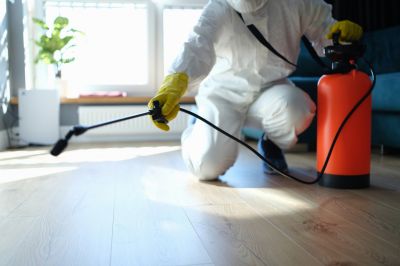
When comparing service providers for commercial spider control, it is important to consider their experience with similar projects. Local contractors who have a track record of handling properties of comparable size and type are more likely to understand the specific challenges associated with how spiders affect commercial spaces. This familiarity can contribute to more effective treatment strategies and ensure that the property’s unique features are properly addressed. Asking about past projects or seeking references can help gauge whether a contractor’s experience aligns with the needs of the commercial property in question.
Clear written expectations are essential when evaluating potential service providers. A reputable contractor should be able to provide detailed descriptions of the services offered, including what areas will be treated, the methods used, and any preparations or follow-up steps required. Having these expectations documented helps prevent misunderstandings and ensures that both parties are aligned on the scope of work. It also allows property owners to assess whether the proposed approach is suitable for addressing how spiders affect commercial properties in their specific environment.
Good communication and reputable references are key indicators of a reliable service provider. Local contractors who are transparent about their processes and responsive to questions demonstrate professionalism and a commitment to client satisfaction. Additionally, seeking references from previous clients can provide insights into the contractor’s reliability, quality of work, and ability to meet expectations. These elements help property owners feel confident in selecting a provider capable of effectively managing spider concerns and maintaining the integrity of their commercial spaces.
Property owners often search for how spiders affect commercial properties when they are planning practical projects around their homes and businesses. Local pros provide Commercial Spider Control services for everyday jobs and straightforward project options.

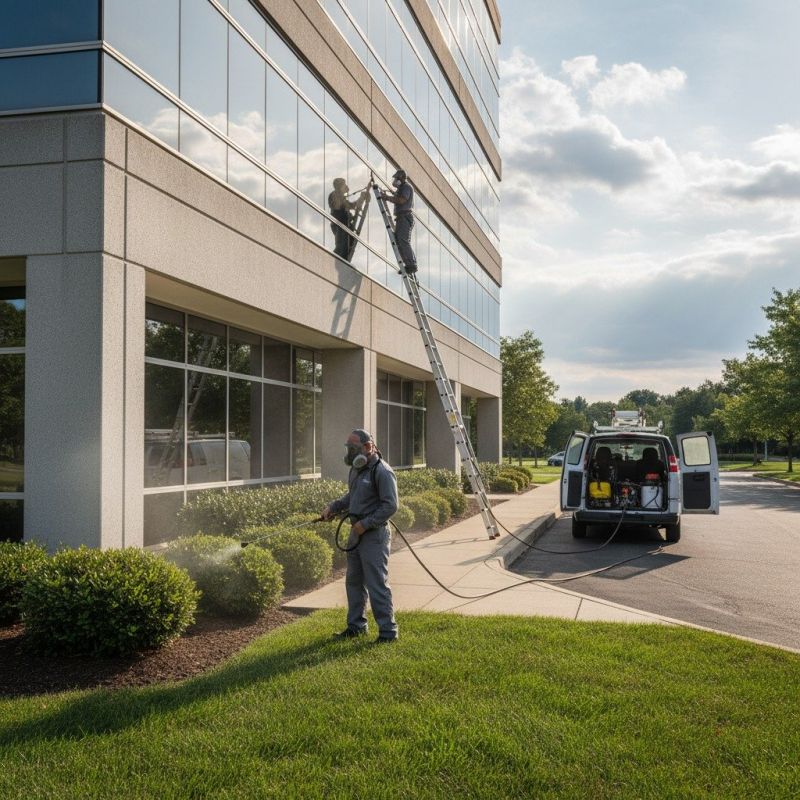
Understanding how spiders affect commercial properties is important for business owners and property managers in the area. Spiders can sometimes be a nuisance, especially when they build webs in high-traffic areas or around entry points, which can impact the overall appearance of a property. In some cases, an infestation may lead to increased concerns about pest control, prompting property owners to seek out professional services that specialize in spider management. Local contractors who offer commercial spider control can help address these issues effectively, ensuring that the property remains clean and presentable.
Business owners might also look into how spiders affect commercial properties to prevent potential problems before they escalate. Large spider populations can sometimes attract other pests or create an uninviting atmosphere for customers and employees. Engaging with local service providers who focus on commercial spider control can help maintain a pest-free environment and reduce the risk of webs and spider sightings becoming a recurring concern. These professionals understand the specific needs of commercial spaces and can provide tailored solutions to keep properties pest-free and visually appealing.
How do spiders impact the cleanliness of commercial properties? Spiders can contribute to debris buildup and web accumulation, which may affect the overall cleanliness and appearance of commercial spaces. Professional spider control services can help manage web and spider presence to maintain a tidy environment.
Can spiders pose health risks to employees or customers? While most spiders are harmless, some species can bite if threatened, potentially causing allergic reactions or infections. Local contractors can implement control measures to reduce spider populations and minimize health concerns.
How do spiders affect the reputation of a commercial property? Visible webs and spider activity can create an impression of neglect or poor maintenance, potentially impacting customer perceptions. Commercial pest control providers can help keep properties free of spiders and webs.
Are spiders likely to damage property or equipment? Spiders generally do not cause structural damage, but their webs can clog vents, drains, or machinery, leading to operational issues. Service providers can remove webs and implement exclusion strategies to protect property functionality.
What role do spiders play in the overall pest management of commercial sites? Spiders can help control other insect populations, but excessive spider activity may indicate underlying pest issues. Local contractors can assess and manage spider presence as part of a comprehensive pest control plan.
Identify spider-prone areas - property owners can work with local contractors to inspect and pinpoint spots where spiders may nest or enter, helping to plan targeted control efforts.
Implement exclusion methods - applying sealing and barrier techniques with the help of local service providers can prevent spiders from accessing building interiors.
Maintain cleanliness and clutter control - regular cleaning and organization can reduce spider hiding spots, with guidance from local pros on best practices.
Establish ongoing pest management plans - partnering with local contractors for regular inspections and treatments can help manage how spiders affect commercial properties over time.
If you are thinking about how spiders affect commercial properties for a property, this guide is meant to help you understand this topic, the typical project types, and how different options might fit your plans.
When you are ready, you can use the quote form on this page to share a few details about your project. From there, local pros can review the basics and follow up with options that match what you have in mind.