Get Residential Pest Control
Residential pest control services help property owners eliminate and prevent pests like insects and rodents through treatments and inspections handled by local contractors.
Residential pest control services are a practical consideration for property owners seeking to maintain a safe and comfortable living environment. Whether dealing with common household pests or preparing for seasonal protection, many individuals explore local contractor options to address these concerns effectively. Comparing nearby service providers can help identify experienced professionals who understand the specific pest challenges in the area and can recommend tailored solutions.
Exploring local options for pest control also supports informed planning for future property maintenance projects. Property owners often look into different service providers to evaluate the range of services offered, reputation, and expertise available within the community. Continuing to read can provide valuable insights into how local contractors can assist in creating a pest-free home environment.
- Ants Control - needed when ants invade kitchens or other indoor spaces.
- Rodent Exclusion - necessary if rodents are found entering or nesting in the home.
- Termite Treatment - required when signs of termite damage or activity are detected.
- Bed Bug Removal - sought after when bed bugs infest bedrooms or furniture.
- Spider Control - useful for reducing spider presence in basements, garages, or living areas.
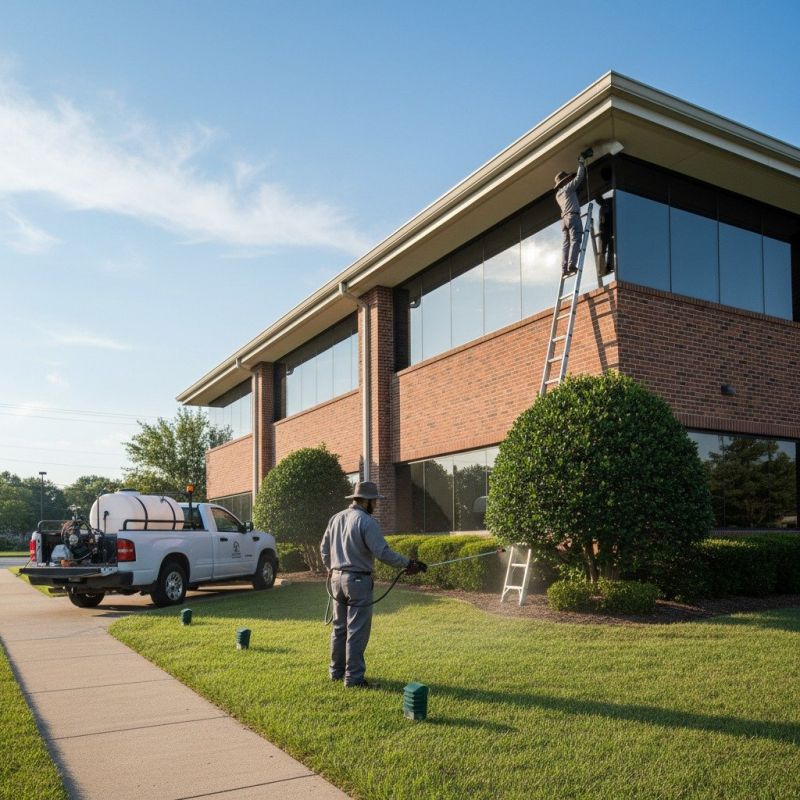
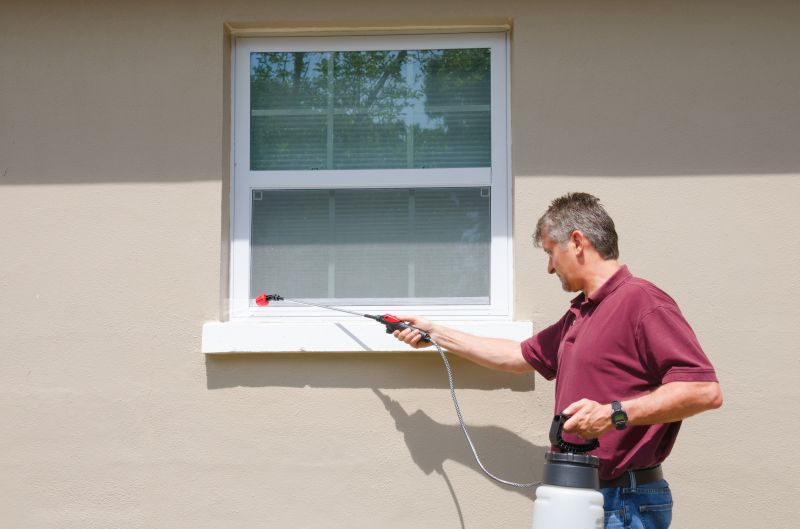
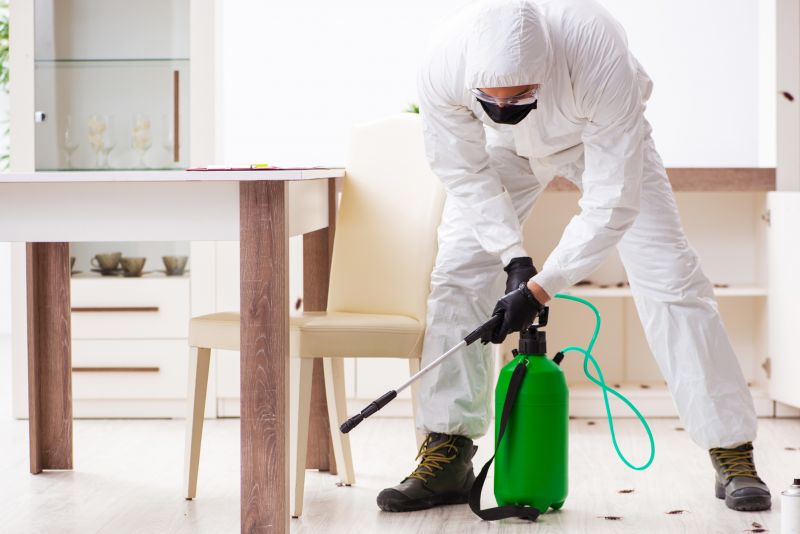
Residential pest control services involve professional treatments designed to eliminate and prevent common household pests. Service providers typically assess the property to identify pest activity and entry points, then implement targeted solutions to address the specific infestation. These treatments may include the application of safe, effective pesticides, setting traps, or installing barriers to keep pests from returning. The goal is to create a pest-free environment, helping homeowners maintain a clean and comfortable living space.
These services help resolve a variety of pest problems that can affect homes, such as ants, cockroaches, spiders, silverfish, and sometimes even rodents or wasps. Pests can cause damage to property, contaminate food supplies, and pose health risks through bites or the spread of germs. Professional pest control can quickly and efficiently reduce or eliminate these issues, providing peace of mind for residents. Regular treatments may also be recommended to prevent future infestations, especially in areas prone to pest activity.
Residential properties that typically use pest control services include single-family homes, townhouses, condominiums, and multi-family apartment buildings. Any residence experiencing signs of pests, such as droppings, damage, or sightings, can benefit from professional intervention. Pest control services are often sought during seasonal peaks when pests are most active or when an infestation has become severe. Homeowners who want to proactively protect their property and health often turn to local contractors for reliable, tailored solutions.
Homeowners should consider pest control services whenever pests become a nuisance or start causing damage. Signs to watch for include unusual insect activity, bites or allergic reactions, or damage to furniture and walls. These services are also useful for preventing infestations in new or recently renovated homes. By connecting with experienced local service providers, homeowners can access effective solutions designed to address their specific pest concerns, helping maintain a safe and comfortable living environment.
The overview below groups typical Residential Pest Control projects into broad ranges so you can see how smaller, mid-sized, and larger jobs often compare in your area.
In many markets, a large share of routine jobs stays in the lower and middle ranges, while only a smaller percentage of projects moves into the highest bands when the work is more complex or site conditions are harder than average.
Smaller Repairs - Typical costs for minor pest control treatments in residential properties usually range from $250 to $600. Many routine jobs fall within this middle band, covering common infestations like ants or spiders. Larger or more complex projects can exceed this range.
Initial Inspection - An initial pest inspection generally costs between $150 and $300. This fee often includes a thorough assessment of the property to identify pest issues and determine the appropriate treatment plan. Some providers include the inspection in the overall service cost.
Full Treatment Packages - Complete pest control treatments for homes typically cost from $300 to $800, depending on the size of the property and the severity of the infestation. Many standard treatments land in this range, with more extensive infestations reaching higher costs.
Full Replacement or Long-Term Solutions - Larger, more involved projects such as complete pest exclusion or long-term management can range from $1,000 to $5,000 or more. These projects are less common and usually reserved for severe or ongoing pest problems requiring extensive work.
Actual totals will depend on details like access to the work area, the scope of the project, and the materials selected, so use these as general starting points rather than exact figures.
Termite Treatment Projects - local contractors use similar inspection techniques and treatment tools to identify and eliminate termite infestations in residential properties.
Rodent Control Services - these projects involve planning and implementing trapping, baiting, and exclusion strategies comparable to pest management in homes.
Cockroach Extermination Projects - local service providers apply similar sanitation and chemical application methods to control cockroach populations in residences.
Bed Bug Removal Projects - these projects require detailed inspection and specialized treatment plans akin to general pest control services for homes.
Mosquito Control Services - local pros set up traps and apply treatments that share planning and environmental assessment skills with residential pest control.
Spider and Insect Management Projects - these involve targeted treatments and habitat modification strategies similar to those used in residential pest control efforts.
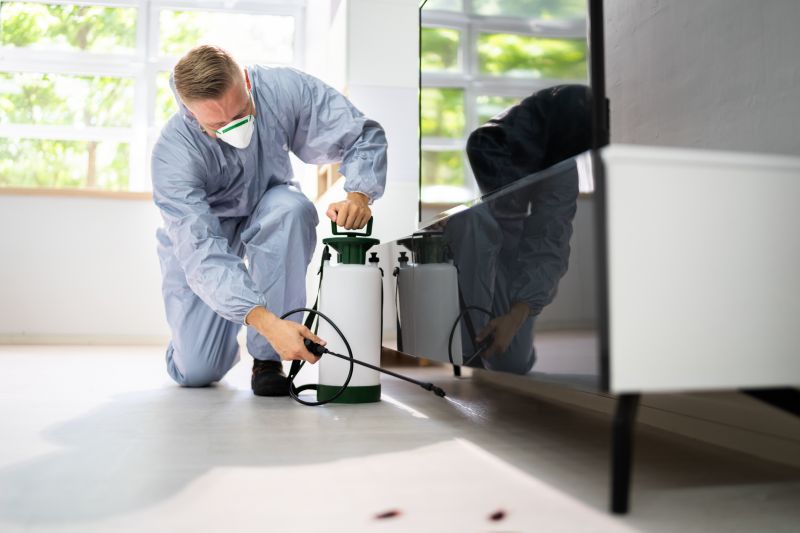
When comparing residential pest control service providers, it’s important to consider their experience with similar projects. Homeowners should look for local contractors who have a proven track record in handling pest issues similar to their own, whether that involves ants, rodents, termites, or other common pests. An experienced service provider will be familiar with the most effective methods and products for your specific situation, which can lead to more reliable results. Asking for details about their past work with homes of similar size and pest problems can help gauge their familiarity and competence in managing projects like yours.
Clear, written expectations are essential when choosing a pest control provider. Homeowners should seek out service providers who can provide detailed descriptions of their approach, what treatments will be used, and what results to expect. Having this information in writing helps ensure there are no misunderstandings about the scope of work or the methods involved. It’s also helpful to clarify any questions about preparation, follow-up treatments, or ongoing prevention measures, so everyone is aligned on what the service entails and what outcomes are realistic.
Reputable references and effective communication are key indicators of a reliable service provider. Homeowners can ask local contractors for references from previous clients who had similar pest issues, which can offer insight into the quality of work and customer satisfaction. Good communication throughout the process-such as prompt responses to inquiries and transparent explanations-can make the experience smoother and more predictable. Since the site introduces homeowners to local options rather than performing the work itself, it’s important to evaluate each service provider’s reputation and communication style to find a trusted partner for pest control needs.
Property owners use Residential Pest Control services for practical projects around their homes and businesses. This guide focuses on everyday jobs and straightforward project options.
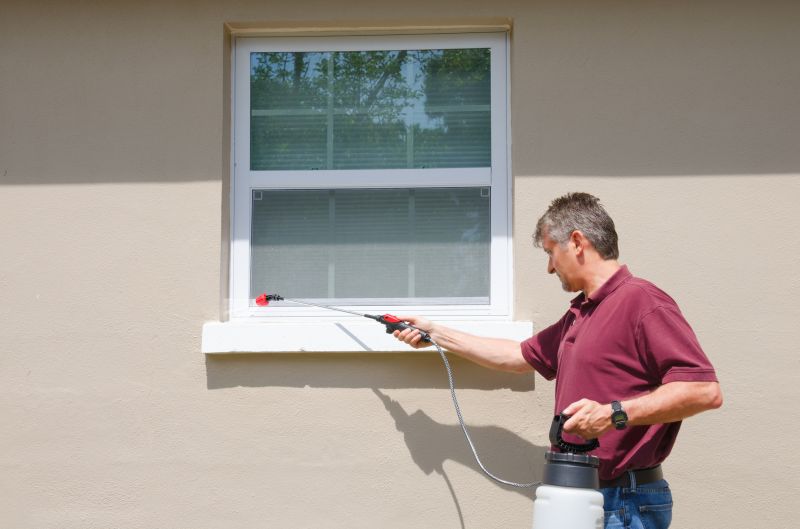
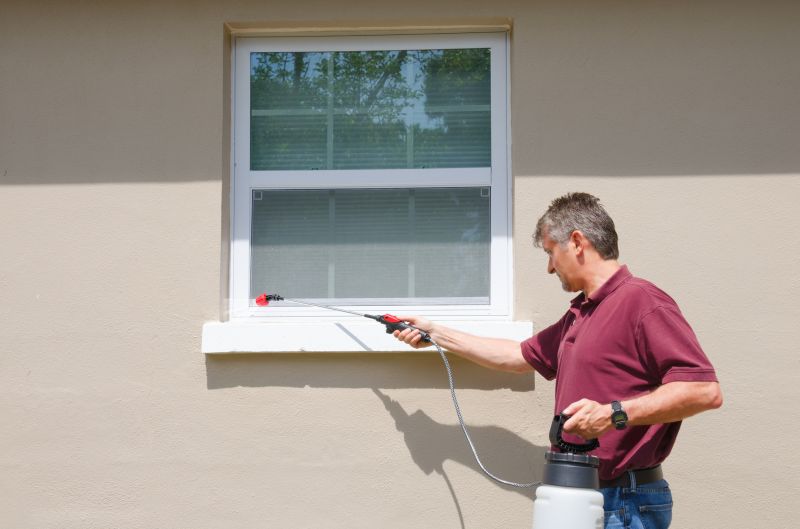
Residential property owners in the area often seek pest control services when they notice unwanted insects or rodents around their homes. Common situations include discovering signs of an infestation, such as droppings, nests, or damage to furniture and walls. These issues can arise unexpectedly, prompting homeowners to look for local contractors who can quickly assess and address the problem to restore comfort and safety to their living spaces.
Additionally, many property owners consider pest control services as a preventative measure, especially during warmer months when pests tend to become more active. Regular inspections and treatments can help keep homes protected from future invasions. Local service providers are available to handle a variety of situations, from minor concerns to more significant infestations, ensuring that residents can maintain a pest-free environment with the help of experienced contractors in the community.
What pests can residential pest control services handle? Local contractors typically address common household pests such as ants, cockroaches, spiders, termites, rodents, and bed bugs.
How do pest control treatments work in homes? Service providers often use targeted methods like baiting, trapping, or applying treatments to affected areas to manage pest problems effectively.
Are residential pest control services safe for families and pets? Many local contractors follow safety protocols and use products designed to minimize risks to residents and pets during treatment.
Can pest control services prevent future infestations? Yes, professionals often offer inspection and prevention advice to help reduce the likelihood of recurring pest issues.
What should homeowners do before a pest control appointment? It’s recommended to clear clutter, remove food and dishes, and follow any specific instructions provided by the service provider to ensure effective treatment.
Preventing Pest Infestations - Property owners can schedule regular pest control services to keep their homes free from common pests like ants, spiders, and roaches.
Protecting Food Storage - Using residential pest control helps ensure that pantry areas and food storage spaces remain pest-free and sanitary.
Maintaining a Clean Living Environment - Regular pest management can assist in reducing unwanted pests that may invade living spaces and compromise comfort.
Safeguarding Outdoor Spaces - Local contractors can treat yards and gardens to prevent pests from damaging plants or becoming a nuisance near the home.
If you are thinking about Residential Pest Control for a property, this guide is meant to help you understand the work, the typical project types, and how different options might fit your plans.
When you are ready, you can use the quote form on this page to share a few details about your project. From there, local pros can review the basics and respond with options that match what you have in mind.